Why Ear Problems Should Not Be Ignored
If your dog or cat has been scratching at their ears, shaking their head, or seems more irritable than usual, it may be more than a passing itch. Ear infections in dogs and cats are one of the most common reasons pet owners schedule a vet visit, and catching the signs early can make treatment easier on your pet.
Warning signs include scratching, head shaking, an unpleasant smell, redness, discharge, or sensitivity when the ears are touched. Ear problems can come from several different sources, so identifying what is actually going on is an important first step before choosing a treatment.
What Is an Ear Infection in Dogs and Cats?
In simple terms, an ear infection happens when the inner lining of the ear becomes irritated or inflamed, often along with an overgrowth of bacteria or yeast. This usually affects the outer ear canal, though in some cases it can reach deeper parts of the ear.
Both dogs and cats can develop ear problems, though dogs tend to experience them more often, especially breeds with floppy ears or extra hair inside the ear canal. Some pets deal with an ear infection only once, while others get them again and again, which often points to something else going on underneath, such as allergies or a skin condition. Symptoms alone rarely tell the full story, which is why a proper look inside the ear matters so much.
Common Signs of Ear Infections in Dogs and Cats
Not every pet will show the same combination of symptoms, but common signs of pet ear problems include:
- Frequent head shaking
- Scratching or rubbing at the ears
- Redness or swelling
- An unpleasant or foul ear odor
- Ear discharge that looks dark, waxy, or unusual
- Increased sensitivity or pain when the ears are touched
- Holding the head differently than usual
- Noticeable changes in behavior
- Trouble hearing in more advanced cases
- A buildup of wax or debris inside the ear
A pet does not need to show all of these signs to have a problem. Even one or two, especially if new or getting worse, are worth paying attention to.
Ear Infection Symptoms: Dogs vs. Cats
While the causes can overlap, symptoms sometimes show up a little differently. Dogs often show frequent scratching, regular head shaking, a strong ear odor, visible redness, and discharge, and are more likely to have repeat episodes.
Cats tend to show more subtle signs, such as scratching around the ears, occasional head shaking, dark debris or discharge, sensitivity when handled, or seeming withdrawn. These are general patterns rather than guaranteed signs of infection, so any of them should be looked at rather than assumed.
What Causes Ear Infections in Dogs and Cats?
Understanding ear infection causes helps in finding the right treatment, since each cause often needs a different approach.
Bacteria. Bacterial overgrowth in the ear canal is a common contributor to infection, leading to redness, discomfort, and discharge.
Yeast. A yeast infection develops when yeast, normally present in small amounts, grows out of control, often producing a distinct odor and dark discharge.
Ear Mites. Ear mites are tiny parasites that cause intense itching, seen especially in cats, particularly kittens or those that spend time outdoors.
Allergies. Pet allergies, whether food related or environmental, can trigger ear inflammation and make infections more likely.
Underlying Skin Problems. Since the skin inside the ear connects to skin elsewhere on the body, pets with chronic skin conditions often have recurring ear issues too.
Moisture and Ear Environment. Ears that stay damp after swimming or bathing, or shapes that trap moisture, create conditions where bacteria or yeast grow more easily.
Because these causes can look similar on the surface, figuring out what is actually happening inside the ear is essential before starting treatment.
How Do Veterinarians Diagnose Ear Infections?
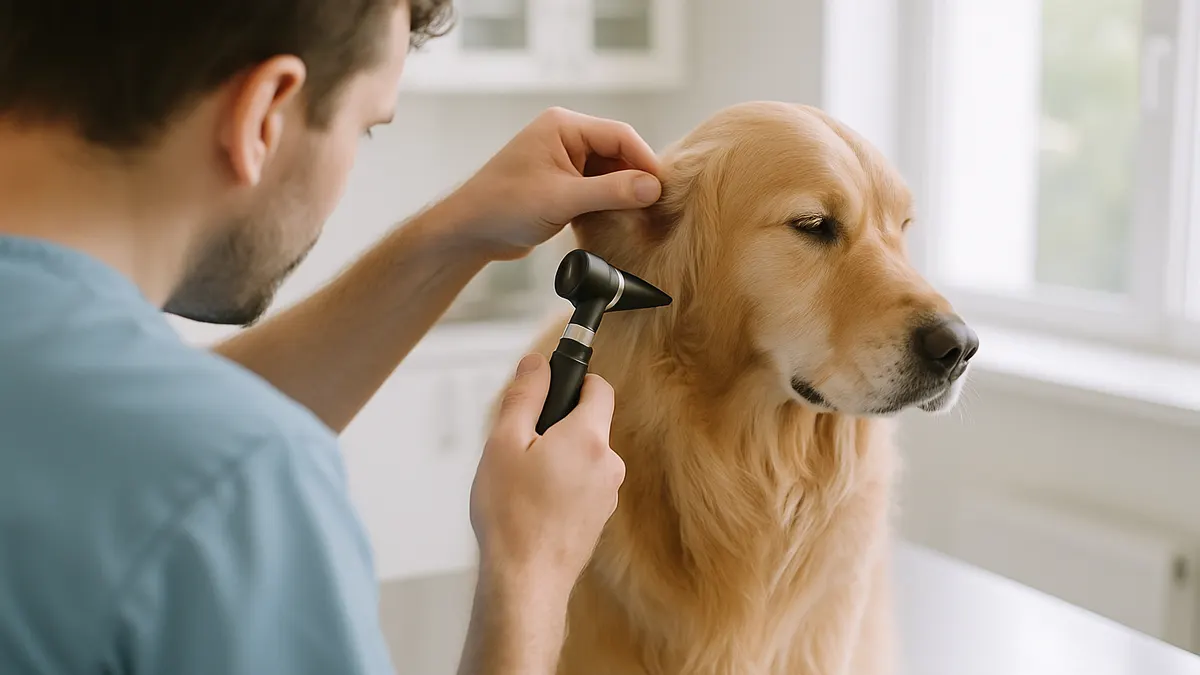
A veterinary ear examination usually starts with a physical exam, including a close look inside the ear canal with an otoscope, checking for redness, swelling, discharge, or debris. In many cases, pet diagnostics such as ear cytology are used, examining a small sample under a microscope for yeast, bacteria, or other organisms rather than guessing based on symptoms alone.
If a pet has recurring infections, the veterinarian may also look into allergies or skin conditions. Bridgewater Veterinary Hospital treats ear problems as something that can stem from several causes, which is why an exam and, when appropriate, ear cytology are used before medication is prescribed.
Treatment Options for Ear Infections in Dogs and Cats
Ear infection treatment depends on what is actually causing the problem. In general, pet ear care may involve a proper ear cleaning during the visit, prescription medications suited to the specific issue found, targeted treatment for bacteria or yeast once identified, treatment for mites when parasites are the cause, and managing allergies or skin conditions contributing to repeat infections.
Pets with recurring infections often benefit from a follow up exam to confirm the infection has fully cleared. Do not use leftover medication or human ear products without veterinary guidance, since the wrong treatment can make some ear problems worse.
Can You Treat a Pet Ear Infection at Home?
It is understandable to want to help your pet feel better right away, but guessing at the cause can lead to the wrong treatment, since bacteria, yeast, mites, and allergies all require different approaches.
Aggressive at home ear cleaning can also irritate an ear that is already inflamed, making your pet more uncomfortable. Reusing leftover medication is not recommended either, since it may not match the current problem. When in doubt, professional care is the safer route, especially if symptoms are painful, persistent, or unclear.
When Should You Take Your Dog or Cat to the Vet?
You should consider veterinary care if your pet shows persistent scratching or head shaking, a strong or worsening odor, ongoing discharge, noticeable redness or swelling, pain or sensitivity, repeated infections, symptoms that are not improving, behavior changes linked to discomfort, or any sudden or severe ear problem.
Bridgewater Veterinary Hospital evaluates skin, ears, and other common pet health concerns, and builds a treatment plan based on each pet’s condition rather than a one size fits all approach.
How Can Pet Owners Help Prevent Ear Problems?
While not every ear infection can be prevented, a few habits support healthy pet ears. Keeping up with routine pet wellness exams allows small issues to be caught early. Following any ear cleaning routine your veterinarian recommends, watching for unusual odor or discharge, and staying alert to allergy or skin problems all support better outcomes.
If your pet keeps getting ear infections, address the underlying cause rather than treating each episode separately. Not every pet needs frequent ear cleaning, and over cleaning can sometimes do more harm than good, so follow your veterinarian’s specific recommendations.
Getting Your Pet Lasting Ear Relief
Ear infections in dogs and cats can come from several sources, including bacteria, yeast, mites, allergies, and underlying skin conditions. Because the signs can look similar across these causes, recognizing symptoms early and having your pet’s ears properly evaluated makes it easier to find the right treatment and get lasting relief.
If your dog or cat is showing persistent ear symptoms, do not wait for things to get worse. Bridgewater Veterinary Hospital offers Veterinary medical care for dogs and cats, including ear care as part of its regular services, and can help determine what is really going on and how to treat it effectively.
Bridgewater Veterinary Hospital proudly serves pet owners in Yardley, Feasterville, Holland, Warminster, and Newtown, along with the surrounding communities.
Frequently Asked Questions
- What are the most common signs of an ear infection in dogs and cats?
Common signs include head shaking, scratching at the ears, redness, swelling, discharge, and an unpleasant odor. Some pets also show pain when the ear is touched or seem more irritable than usual. Not every pet shows all of these signs, so even one or two symptoms are worth having checked by a veterinarian.
- What causes ear infections in dogs and cats?
Ear infections can be caused by bacteria, yeast, ear mites, allergies, or underlying skin conditions. Moisture trapped inside the ear can also contribute. Since each cause needs a different approach, identifying the actual reason behind the infection is important before starting treatment.
- Can ear infections in dogs and cats go away on their own?
Some mild irritation may improve briefly, but most true ear infections do not resolve without proper treatment. Left unaddressed, they can become more painful or lead to recurring problems. It is safer to have persistent symptoms evaluated rather than waiting to see if they clear up on their own.
- How does a veterinarian diagnose an ear infection?
A veterinarian typically performs a physical exam and looks inside the ear with an otoscope to check for redness, discharge, or debris. Ear cytology, which examines a small sample under a microscope, is often used to identify whether bacteria, yeast, or another cause is involved.
- Can I clean my dog’s or cat’s ears at home if I suspect an infection?
It is best to avoid aggressive at home cleaning if you suspect an infection, since already inflamed ears can become more irritated. A veterinarian can advise on safe cleaning practices and determine whether cleaning alone is enough or if further treatment is needed.
- Why does my pet keep getting ear infections?
Recurring ear infections are often linked to an underlying issue, such as allergies, chronic skin conditions, or ear shape and moisture retention. Treating only the current infection without addressing the root cause is a common reason infections keep coming back.