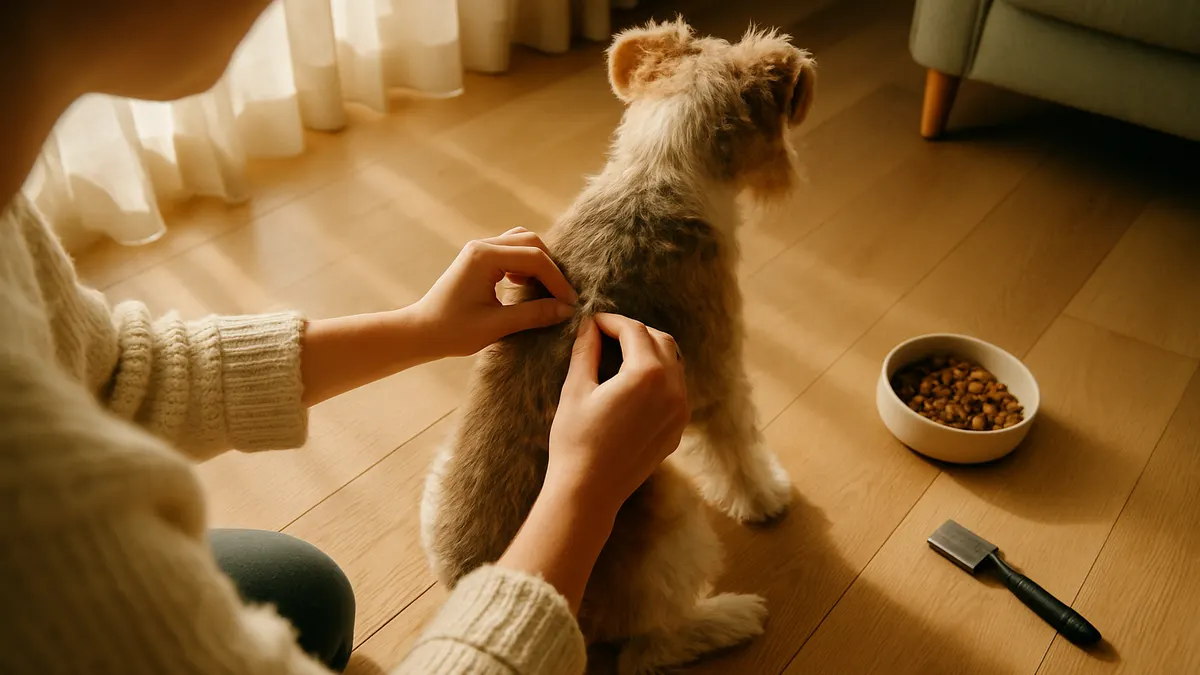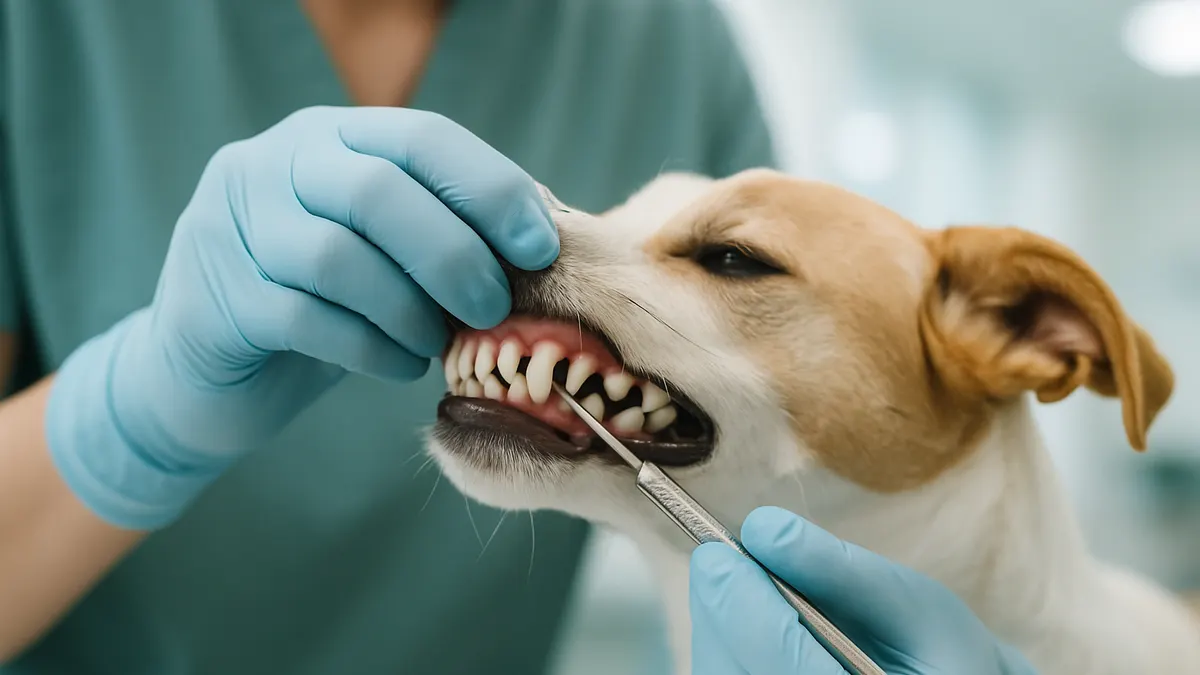
Hearing that your dog or cat may need surgery can be stressful. Pet owners often have questions about anesthesia, preparation, recovery time, and how to keep their pets comfortable afterward. Understanding the surgical process can help you feel more prepared and confident about your pet’s care. Bridgewater Veterinary Hospital in Bensalem, PA, provides a range of veterinary surgical services, including spaying and neutering, wound repair, and selected soft-tissue procedures.
Common Reasons Dogs and Cats Need Surgery
Spaying and neutering are common veterinary procedures that can prevent unwanted pregnancies and reduce certain reproductive health risks. Your veterinarian can discuss appropriate timing. Lumps and masses sometimes require diagnostic sampling or surgical removal. Deep wounds may require surgical repair. Some conditions affecting the eyelids, ears, bladder, or digestive system may also require surgery; the recommended procedure depends on the diagnosis.
What Happens Before Veterinary Surgery?
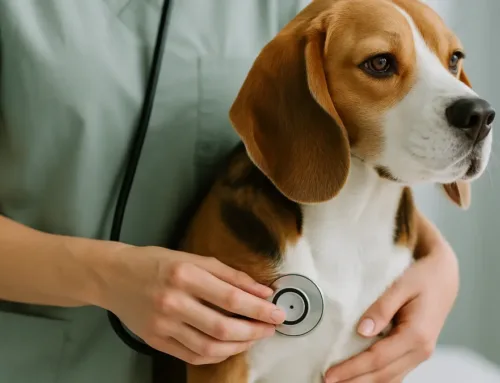
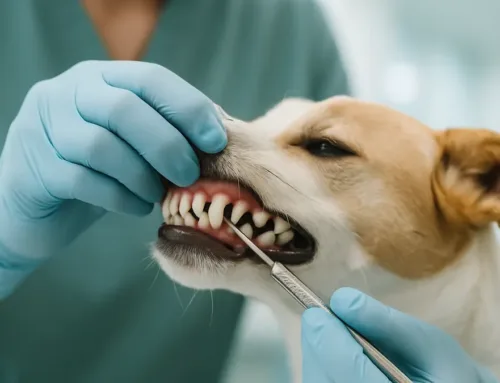
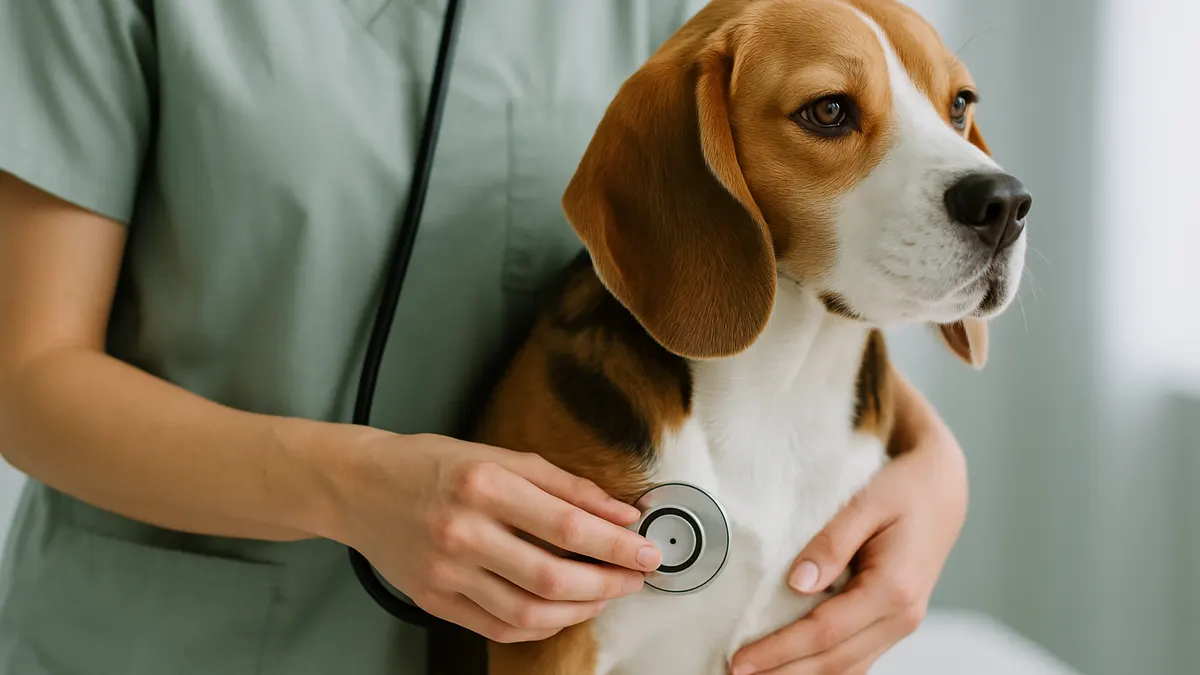
Before a planned procedure, your veterinarian evaluates your pet’s health and discusses the surgical plan. Preoperative care may include a physical examination, blood testing, review of medical conditions, anesthesia risk assessment, medication instructions, and individualized fasting guidelines. Follow the hospital’s specific preparation instructions.
Is Anesthesia Safe for Dogs and Cats?
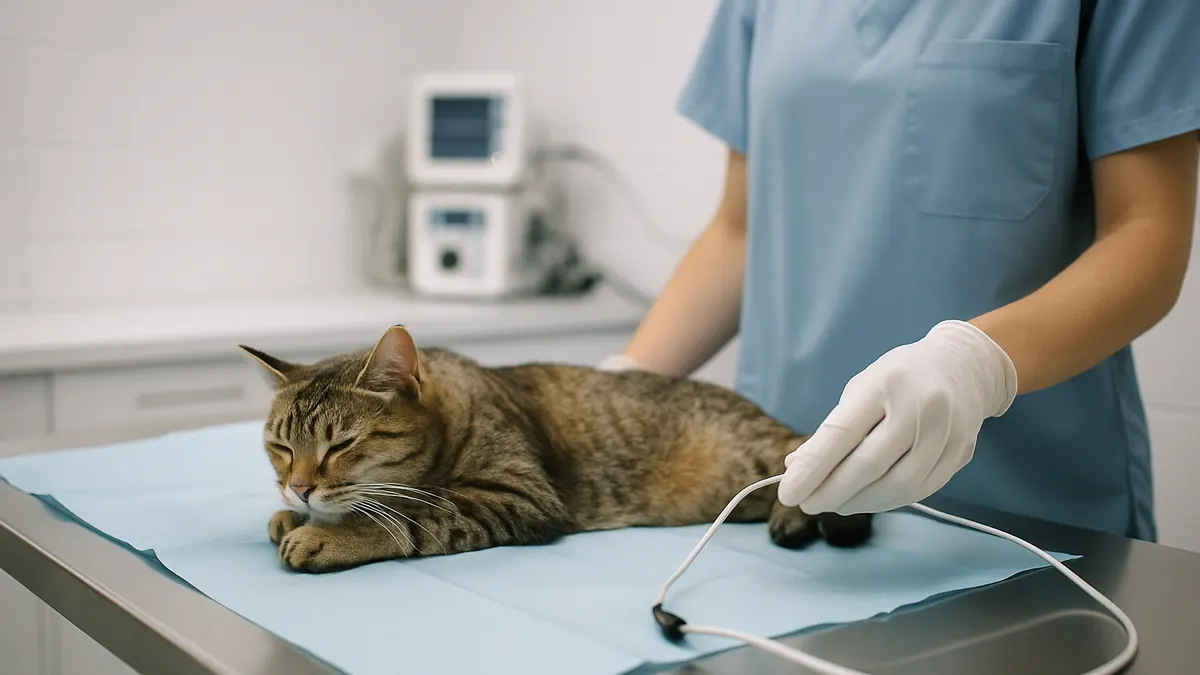
Modern veterinary anesthesia includes medications and monitoring techniques designed to support patient safety. However, every anesthetic procedure carries risk. Your veterinarian considers age, breed, medical history, and current health. Monitoring may include heart rate, breathing, oxygen levels, blood pressure, and temperature.
What Should You Expect After Surgery?
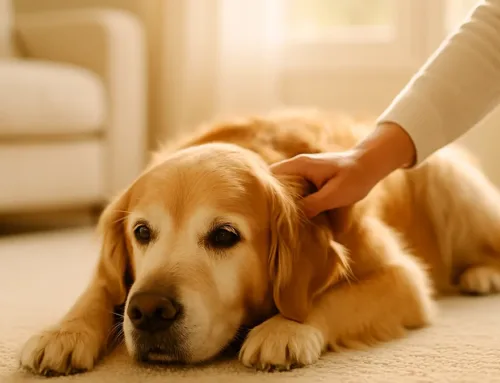
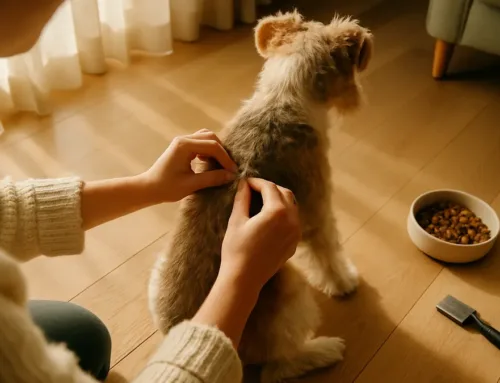
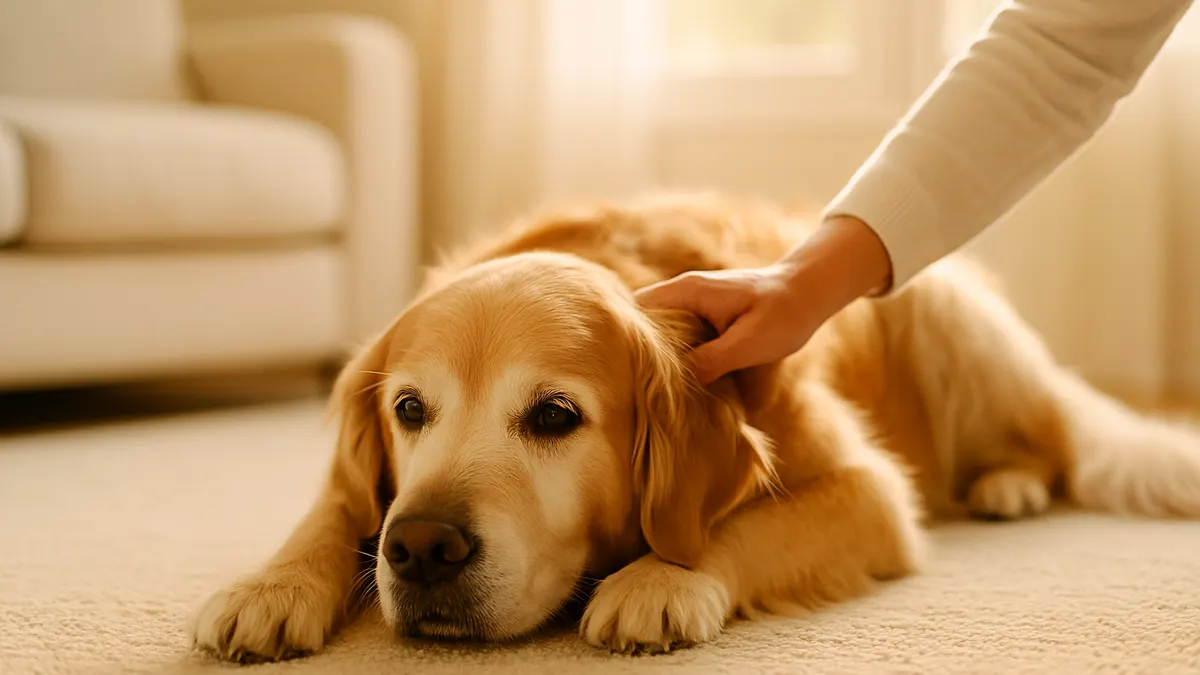
Recovery depends on the procedure and your pet’s health. Your veterinary team may provide instructions on pain management, incision care, activity restrictions, feeding, protective collars, and follow-up appointments. Never give human pain medications unless specifically instructed by a veterinarian.
Warning Signs After Surgery
Contact your veterinarian promptly if your pet develops increasing swelling, significant bleeding, incision discharge, persistent vomiting, or unusual lethargy. Difficulty breathing, collapse, or uncontrolled bleeding requires immediate emergency veterinary care. Bridgewater Veterinary Hospital is not a 24-hour emergency facility, so emergencies outside its available services should be directed to an emergency veterinary hospital.
Compassionate Veterinary Surgery in Bensalem, PA
At Bridgewater Veterinary Hospital, we understand that surgery is an important decision. Our veterinary team can evaluate your pet, explain treatment options, and discuss what to expect before and after a procedure.
Bridgewater Veterinary Hospital | 1740 Byberry Road, Bensalem, PA 19020 | 215-638-9275
Call 215-638-9275 to schedule an appointment.