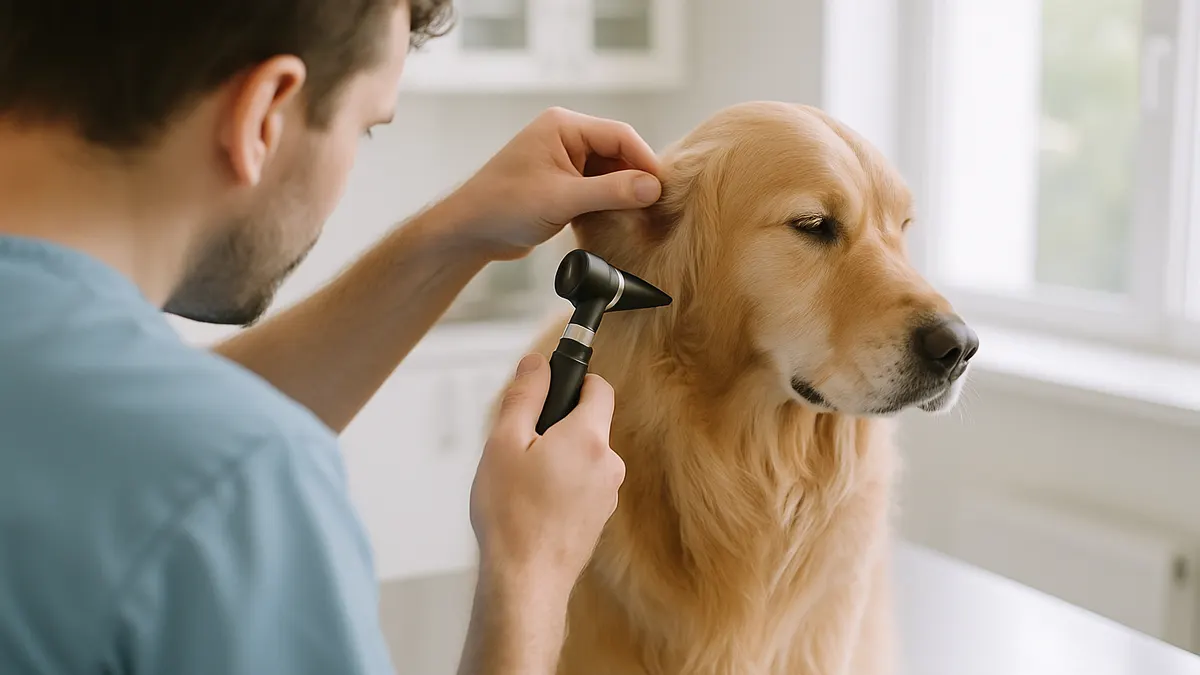
Most pet owners think about food, exercise, vaccines, and grooming when planning for their dog or cat’s wellness. Teeth are often the last thing on the list, yet a pet’s mouth can quietly develop problems long before an owner notices, since dogs and cats often keep eating normally even when their gums are sore.
This guide covers Pet Dental Health 101, the basics every owner should know: why regular teeth cleaning matters, how dental problems develop, what signs to watch for, and how to support oral hygiene at home.
Why Dental Health Matters for Dogs and Cats
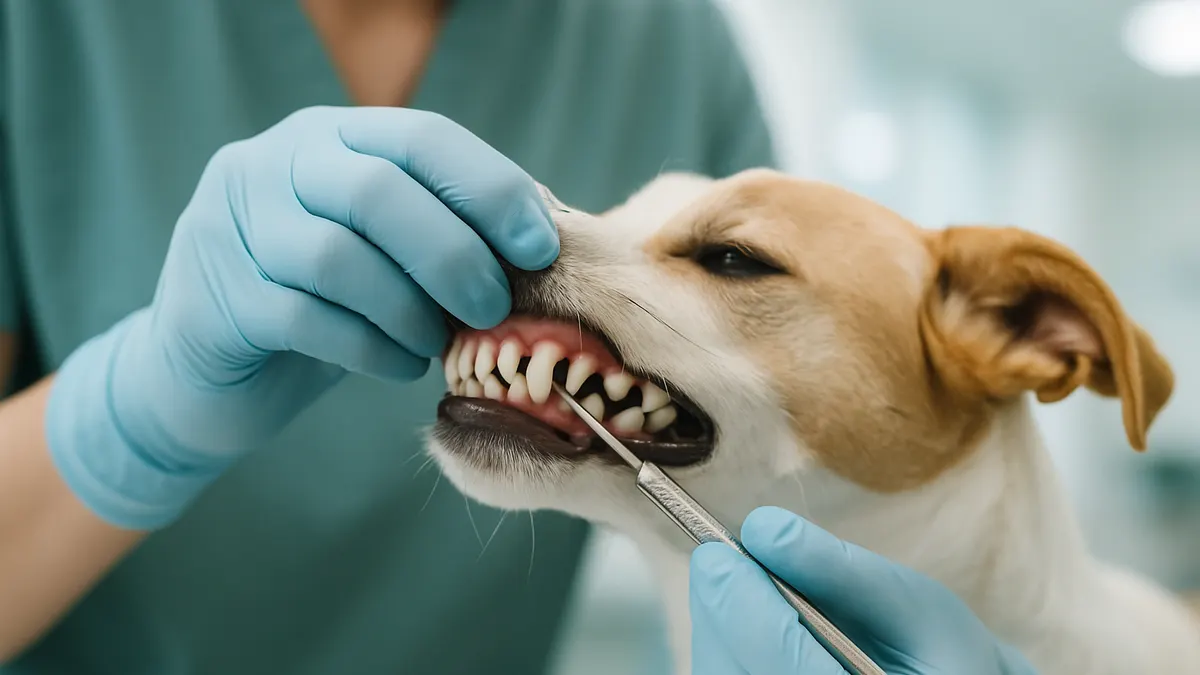 A healthy mouth is part of a pet’s overall wellness, not a separate concern.
- Healthy teeth and gums support comfortable eating and normal chewing.
- Plaque, a soft film of bacteria, begins forming on teeth soon after a meal.
- Left alone, plaque can harden into tartar, which is much harder to remove.
- Bacteria in plaque and tartar can irritate the gums and contribute to dental disease.
- Untreated problems can cause ongoing discomfort and affect quality of life.
- Routine exams help catch oral problems early.
Dog dental health and cat dental health deserve the same attention as any other part of preventive pet care.
What Happens When Plaque and Tartar Build Up?
Plaque is a soft, sticky film of food particles, saliva, and bacteria that forms on teeth every day. Left alone, minerals in saliva cause it to harden into tartar within days, and unlike plaque, tartar sticks firmly to the tooth and cannot be brushed away at home.
As tartar builds along the gumline, it can lead to gum inflammation, sometimes called gingivitis, seen as redness or slight swelling near the base of the teeth. Left untreated, this can progress into periodontal disease, a more serious condition affecting the tissue and bone supporting the teeth, often without an obvious sign of pain.
Signs Your Dog or Cat May Have Dental Problems
- Bad breath that does not go away
- Red, swollen, or bleeding gums
- Yellow or brown buildup along the gumline
- Difficulty chewing or dropping food while eating
- Reduced interest in food
- Pawing at the mouth or excessive drooling
- Loose or damaged teeth
- Any noticeable change in normal eating or behavior
Some pets, especially cats, show very few obvious symptoms, which is why routine oral exams by a veterinarian are so valuable. A professional can spot early changes that are easy to miss at home.
Why Regular Teeth Cleaning Is Important
Brushing at home plays a supportive role, but it cannot fully replace professional cleaning. Once tartar has hardened onto a tooth, it generally cannot be removed safely without professional equipment. Regular pet dental care from a veterinary team removes buildup that brushing alone cannot reach, keeps teeth and gums cleaner beneath the gumline, and gives the veterinarian a closer look at the whole mouth to identify issues, such as loose teeth or gum recession, that may need treatment.
Bridgewater Veterinary Hospital offers dental examination, routine cleaning, and oral hygiene services for dogs and cats as part of a well rounded approach to keeping pets healthy.
How Often Should Dogs and Cats Have Their Teeth Cleaned?
There is no single schedule that fits every pet. How often a dog or cat needs a professional cleaning depends on age, breed, size, existing dental problems, diet, and dental history. The best approach is to ask your veterinarian how often your individual pet needs an oral exam and cleaning, rather than relying on one fixed timeline.
Professional Dental Cleaning vs. At Home Dental Care
Veterinary dental cleaning removes buildup that has already hardened on the teeth and allows a thorough evaluation of the whole mouth, including areas under the gumline. Between visits, owners can support oral hygiene with regular tooth brushing, veterinary approved dental products, appropriate dental chews when recommended, and routine mouth checks. Home care is a helpful, supportive habit, but it is not a substitute for professional evaluation once dental disease is already present.
How to Start a Tooth Brushing Routine With Your Pet
Let your pet get comfortable with having their mouth handled before introducing a toothbrush. Introduce pet safe toothpaste slowly, then start with very short sessions, focusing gently on the outer tooth surfaces where most buildup forms. Reward calm behavior and build up the length and frequency gradually over several weeks.
Never use human toothpaste on a dog or cat unless your veterinarian says it is safe. Many human dental products contain ingredients, such as xylitol, that can be harmful to pets.
Do Dogs and Cats Need Different Dental Care?
Both dogs and cats can develop plaque, tartar, and gum disease. Cats are especially skilled at hiding discomfort, so subtle changes in eating or grooming habits can be an early clue. Dogs can also build significant tartar without obvious pain, particularly smaller breeds prone to crowded teeth. Dental care should fit the individual animal rather than one routine for all.
How Dental Health Fits Into Your Pet’s Overall Wellness
Oral health fits alongside vaccinations, parasite prevention, nutrition, and weight management as part of preventive pet care. Bridgewater Veterinary Hospital emphasizes preventive care and recommends routine pet checkups for dogs and cats, which are also a natural opportunity to discuss dental health.
When Should You Call Your Veterinarian About Your Pet’s Teeth?
Reach out promptly for persistent bad breath, bleeding gums, difficulty eating, loose or broken teeth, facial swelling, significant tartar buildup, or any visible sign of mouth discomfort. Do not wait for a problem to become severe. Early dental examination visits tend to lead to simpler, more comfortable outcomes.
Simple Pet Dental Health Checklist
- Check your pet’s teeth and gums regularly.
- Watch for changes in breath or eating habits.
- Use pet safe dental products.
- Build a consistent home care routine.
- Schedule routine veterinary examinations.
- Ask your veterinarian about professional dental cleaning.
- Seek veterinary advice when you notice unusual mouth symptoms.
Protecting Your Pet’s Smile for the Long Run
Good dental health is an important part of caring for a dog or cat. Consistent home care, routine exams, and professional cleaning when recommended can help owners stay ahead of dental problems. Understanding the basics in this Pet Dental Health 101 guide is a good first step toward protecting your pet’s comfort for years to come.
Every pet is different, so the best next step is a conversation with your veterinarian about your dog or cat’s individual needs. For Best veterinary care for dogs and cats, the team at Bridgewater Veterinary Hospital is here to help you build a dental care plan that fits your pet.
We proudly serve pet owners in Bristol, Feasterville, Holland, Levittown, and Newtown.
Frequently Asked Questions About Pet Dental Health
Q1. How often should I brush my dog’s or cat’s teeth?
A few times a week helps most pets, and daily brushing offers even more benefit if your pet will tolerate it. Build the routine gradually and follow your veterinarian’s guidance.
Q2. How do I know if my pet needs a professional teeth cleaning?
Bad breath, visible tartar, red or swollen gums, or changes in eating habits can point to a need for cleaning. A veterinary exam is the most reliable way to confirm it.
Q3. Can dogs and cats get gum disease?
Yes. Both can develop gum inflammation and periodontal disease when plaque and tartar build up without treatment.
Q4. Is bad breath normal for dogs and cats?
Mild odor can happen occasionally, but persistent unpleasant breath should not be dismissed as normal. It often signals plaque, tartar, or gum irritation worth discussing with your veterinarian.
Q5. Can I clean my pet’s teeth at home?
Yes, brushing and veterinary approved products can support oral hygiene between visits, but home care does not replace a professional assessment once dental disease is present.
Q6. Does my pet still need dental care if they seem healthy?
Yes. Pets hide discomfort well, so early problems can go unnoticed. Routine exams help your veterinarian catch issues not visible at home. Bridgewater Veterinary Hospital recommends routine comprehensive exams even when pets appear healthy.