If your dog cannot seem to stop scratching behind one ear, or your cat keeps licking the same patch of fur on its belly, you have probably wondered what is going on. A little scratching now and then is normal for most pets. But when the itching does not let up, or you start noticing redness, hair loss, or irritated skin, something more may be happening.
Skin allergies in pets are one common reason for these symptoms, though they are far from the only possible cause. Fleas, infections, and other skin conditions can look very similar. This article covers the common signs of skin allergies, what tends to trigger them, how they are identified, what you can do at home, and when it is time to schedule a visit with your veterinarian.
What Are Skin Allergies in Pets?
 Skin allergies happen when a pet’s immune system overreacts to something that would normally be harmless, such as a flea bite, a type of pollen, or an ingredient in food. Instead of ignoring the substance, the immune system treats it as a threat and releases chemicals that lead to itching, redness, and inflammation.
Both dogs and cats can develop skin allergies, though the pattern of symptoms is not always the same from one pet to the next. Some pets show mild, occasional irritation. Others deal with ongoing discomfort that affects their skin, coat, and overall comfort. Because there are several possible triggers, and several other conditions that can look similar, symptoms alone are not enough to confirm that an allergy is the cause. That is something a veterinarian can help sort out.
Common Signs of Skin Allergies in Dogs and Cats
Skin allergies in pets do not always look the same from one animal to the next, but there are a few signs that tend to show up again and again.
Frequent Scratching
Pets scratch for all kinds of reasons, but repeated or constant scratching in the same spot usually points to itching or irritation underneath. If scratching seems to happen every day rather than once in a while, it is worth paying closer attention.
Excessive Licking or Chewing
Dogs and cats dealing with itchy skin often lick or chew at their paws, legs, belly, or tail. Excessive licking can leave the fur damp, discolored, or thinned out over time.
Red or Inflamed Skin
Irritated skin often looks pink or red and can feel warm or sensitive to the touch. Pets may pull away or seem uncomfortable when the area is touched.
Hair Loss or Thinning Fur
Constant scratching, licking, and chewing can wear down the coat over time, leading to bald patches or thinning fur in the spots a pet focuses on most.
Hot Spots, Scabs, or Sores
When irritation continues without relief, the skin can break down and form hot spots, scabs, or open sores. These areas are more prone to developing a secondary skin infection.
Ear Problems
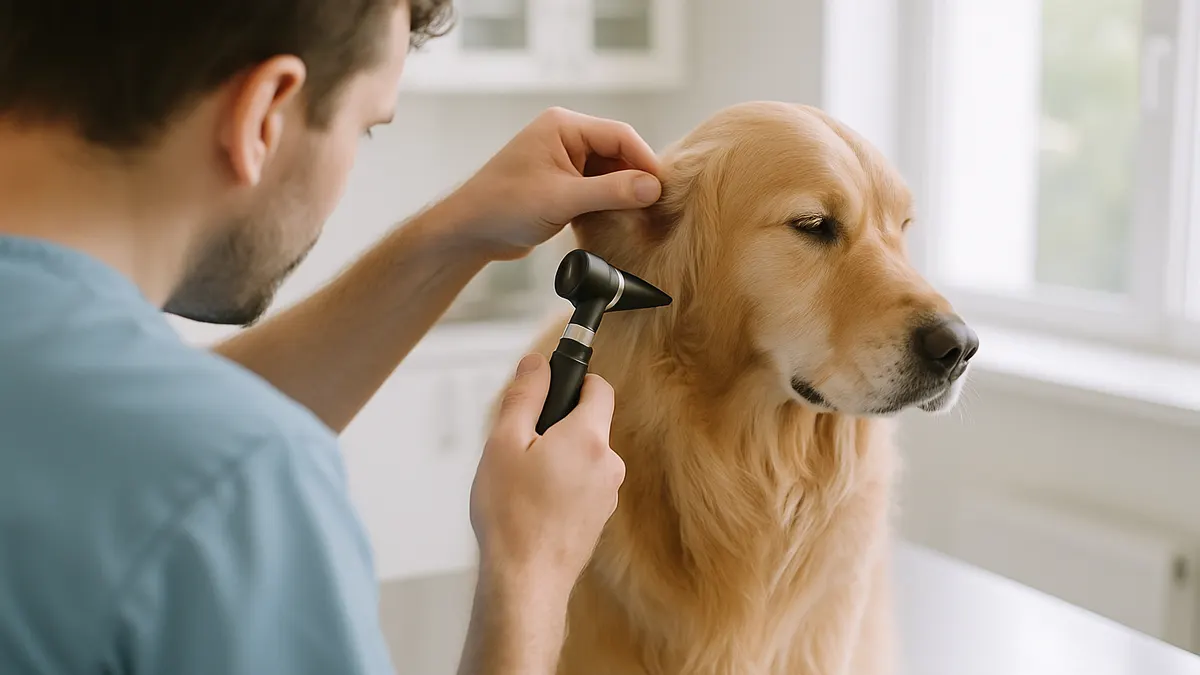
Allergies can sometimes show up as recurring ear irritation, redness, or odor. Bridgewater notes that ear problems can have several possible causes, including allergies, yeast, bacteria, mites, and other underlying skin conditions, so an exam is the best way to know what is really going on.
What Causes Skin Allergies in Pets?
Figuring out what is triggering the itching matters, because different causes usually call for different approaches.
Flea Allergies
Flea allergy dermatitis is a reaction to proteins in flea saliva. Some pets are so sensitive that even one or two flea bites can set off days of intense itching, even if you never actually see a flea. Staying consistent with flea prevention makes a real difference. Bridgewater Veterinary Hospital recommends year round flea, tick, and heartworm prevention for dogs and cats.
Environmental Allergies
Pets can react to things in their surroundings much like people do. Pollen, grass, dust, mold, and other everyday environmental allergens can trigger itching, especially during certain times of year.
Food Allergies
Some pets develop a reaction to a specific ingredient in their diet. Food allergies are less common than other triggers, and not every itchy pet needs a diet change, so this is worth discussing with a veterinarian rather than guessing on your own.
Contact Irritation
Certain shampoos, cleaning products, fabrics, or other everyday items can irritate sensitive skin on contact, even without a true allergy involved.
How Can You Tell If Your Pet Has a Skin Allergy?
Symptoms alone usually are not enough to pin down the exact cause of itchy or irritated skin. A veterinarian will typically examine the skin and coat, ask about diet and environment, check for fleas or other parasites, and look for signs of infection.
Depending on what they find, laboratory work or other pet allergy testing may be recommended. Bridgewater Veterinary Hospital states that its veterinary services include evaluation of skin problems, parasite control, laboratory services, and diagnostic testing, including evaluation of pet allergies, giving pet owners a starting point for ongoing pet skin care when symptoms show up.
What Can Pet Owners Do at Home?
There is plenty you can do at home to support your pet while you work with your veterinarian on a longer term plan.
- Keep your pet’s bedding clean and washed regularly
- Stay consistent with flea and tick prevention
- Avoid introducing several new products, foods, or treats at the same time
- Use only pet safe grooming products
- Watch for patterns, such as when and where symptoms tend to appear
- Take photos of skin changes so you have something to show your veterinarian
- Keep a simple log of any changes in food, environment, grooming products, or medication
It is important not to reach for human allergy medications or other treatments without guidance first. The right approach depends on your pet, the underlying cause, how severe the symptoms are, and your pet’s overall health, so a veterinarian is the best resource for figuring out what will actually help.
When Should You See a Vet for Skin Allergies?
Occasional itching is not automatically a reason to worry, but certain signs mean it is time to schedule a visit. Reach out to a veterinarian if:
- Itching continues or keeps coming back
- Scratching is affecting sleep or normal behavior
- There is noticeable redness or swelling
- Your pet develops sores, scabs, or hot spots
- You notice hair loss
- The skin has an unusual odor
- There is any discharge
- Ear problems keep returning
- Home care does not seem to be helping
- Your pet seems painful or unusually uncomfortable
Sudden facial swelling, difficulty breathing, or collapse are signs of a severe allergic reaction and need urgent veterinary attention right away. Bridgewater Veterinary Hospital offers sick pet visits and evaluates skin and ear problems as part of its veterinary services, so help is available when your pet needs it.
How Are Skin Allergies in Pets Treated?
Treatment depends on what is actually causing the irritation, which is why an accurate diagnosis matters so much. Depending on the cause, a treatment plan may include parasite control, treatment for any secondary infection, changes recommended by your veterinarian, prescription medication when appropriate, a specific skin care routine, dietary management if a food related trigger is suspected, or an ongoing plan for managing recurring allergies.
Treating the underlying cause tends to bring longer lasting relief than simply trying to stop the itching for a day or two.
How Can You Help Prevent Future Skin Problems?
- Keep flea and tick prevention consistent all year
- Schedule regular veterinary examinations
- Groom your pet according to its coat and skin needs
- Use pet safe shampoos and grooming products
- Keep bedding and frequently used areas clean
- Watch for early changes in scratching, licking, or skin appearance
- Follow your veterinarian’s recommendations if your pet has recurring allergies
Bridgewater recommends regular comprehensive pet wellness exams because pets are good at hiding signs of illness, and routine visits can help catch health concerns early.
When It’s Time to Get Your Pet’s Skin Checked
Occasional scratching does not always mean your pet has an allergy, but persistent itching, redness, licking, hair loss, sores, or recurring ear problems are worth paying attention to. Rather than guessing at the cause or trying random treatments, it helps to work with a veterinarian who can determine whether allergies, parasites, infection, or another skin condition is behind your pet’s discomfort.
If your pet has ongoing skin concerns, Bridgewater Veterinary Hospital offers sick pet visits and Affordable veterinary services to help your pet feel better sooner. Schedule an exam today to get answers and a plan that fits your pet’s needs.
Bridgewater Veterinary Hospital is proud to support pet owners throughout the area, including Bristol, Feasterville, Holland, Levittown, and Newtown. Wherever you are located nearby, our team is ready to help with skin allergies and other pet health concerns.
FAQs About Skin Allergies in Pets
What are the most common signs of skin allergies in pets?
The most common signs include frequent scratching, excessive licking or chewing, red or inflamed skin, hair loss, hot spots or scabs, and recurring ear problems. Signs vary between pets and can range from mild irritation to more noticeable discomfort, so it helps to watch for patterns rather than a single symptom.
How can I tell if my pet’s itching is caused by allergies or fleas?
Flea allergy dermatitis and other skin allergies can look very similar, and some pets react strongly even after just one or two flea bites. A veterinarian can check for fleas and other parasites during an exam, which is usually the fastest way to rule fleas in or out.
Can dogs and cats develop food allergies?
Yes, some dogs and cats develop a reaction to a specific ingredient in their diet. Food allergies are less common than flea or environmental triggers, so a veterinarian can help determine whether diet is actually involved before any changes are made.
Can pet allergies cause ear infections?
Allergies can contribute to recurring ear irritation or infection in some pets, but ear problems can also come from yeast, bacteria, mites, or other underlying conditions. An exam helps identify what is actually causing the issue so it can be treated properly.
When should I take my pet to the veterinarian for itchy skin?
See a veterinarian if itching continues or keeps returning, if your pet develops sores, scabs, hair loss, or an unusual odor, or if home care does not seem to help. Sudden facial swelling or breathing trouble needs urgent attention right away.
Can skin allergies in pets be completely cured?
Allergies themselves usually cannot be cured, but they can often be managed well with the right plan. Many pets do very well long term once the trigger is identified and a veterinarian helps set up an approach for ongoing care.