Pennsylvania pet owners know that ticks can be a concern during outdoor activities. Whether your dog enjoys walks around Bensalem, explores wooded trails in Bucks County, or spends time in the backyard, exposure to ticks can increase the risk of tick-borne diseases. One of the most important conditions for dog owners to understand is Lyme disease. At Bridgewater Veterinary Hospital, we provide veterinary examinations and diagnostic testing to help identify potential health concerns associated with tick exposure.
What Is Lyme Disease in Dogs?
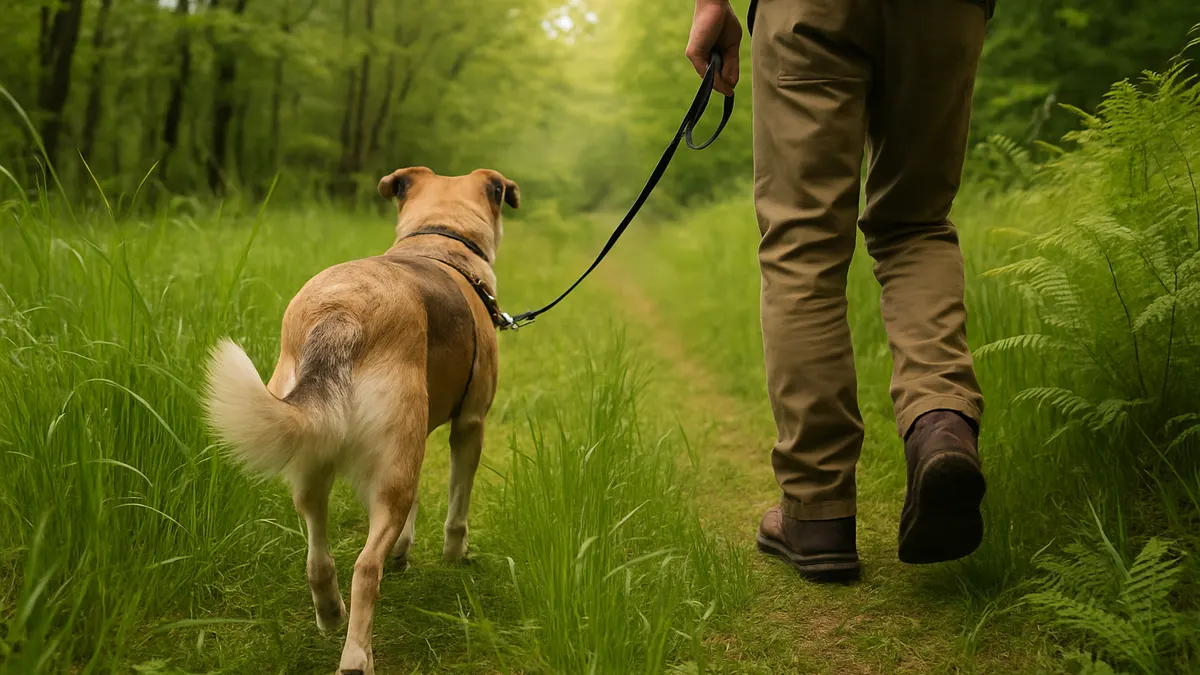
Lyme disease is caused by the bacterium Borrelia burgdorferi, transmitted primarily through the bite of infected blacklegged ticks, commonly called deer ticks. Not every infected dog develops noticeable symptoms. However, some dogs experience illness that requires veterinary evaluation and treatment.
Common Symptoms of Lyme Disease
Signs may include limping or shifting-leg lameness, joint pain or swelling, fever, reduced appetite, unusual tiredness, and reluctance to exercise. Symptoms may develop weeks or months after exposure. Rarely, Lyme disease is associated with serious kidney complications. If your dog develops sudden weakness, persistent vomiting, difficulty breathing, or other severe symptoms, seek urgent veterinary care.
How Is Lyme Disease Diagnosed?
Veterinarians consider symptoms, potential tick exposure, physical examination findings, and diagnostic test results. Blood testing can help identify exposure to the bacteria. However, a positive antibody test does not necessarily mean that a dog has active clinical illness. Additional blood or urine testing may be recommended depending on symptoms and overall health.
Can Lyme Disease Be Treated?
Dogs with clinical Lyme disease are commonly treated with veterinarian-prescribed antibiotics. The treatment plan depends on the individual patient’s condition. Some dogs also need supportive care for pain or other complications. Never administer leftover antibiotics or human medications without veterinary guidance.
How to Protect Your Dog From Ticks
Use year-round tick prevention: ticks can remain active during mild weather. Check your dog after outdoor activities, particularly the ears, neck, armpits, between the toes, and around the tail. Remove attached ticks promptly with fine-tipped tweezers or an appropriate tool; avoid oils, heat, or chemicals. Discuss Lyme vaccination with your veterinarian if your dog has meaningful exposure risk.
When Should Your Dog Be Tested?
Testing decisions depend on symptoms, exposure history, and preventive care recommendations. If your dog develops unexplained limping, fever, fatigue, or other concerning signs, schedule a veterinary examination.
Lyme Disease Testing for Dogs in Bensalem, PA
Bridgewater Veterinary Hospital provides diagnostic testing and preventive veterinary care for dogs in Bensalem and surrounding Bucks County communities. Our team can help you understand your dog’s tick exposure risk and develop an appropriate prevention plan.
Bridgewater Veterinary Hospital | 1740 Byberry Road, Bensalem, PA 19020 | 215-638-9275
Call 215-638-9275 to schedule an appointment.