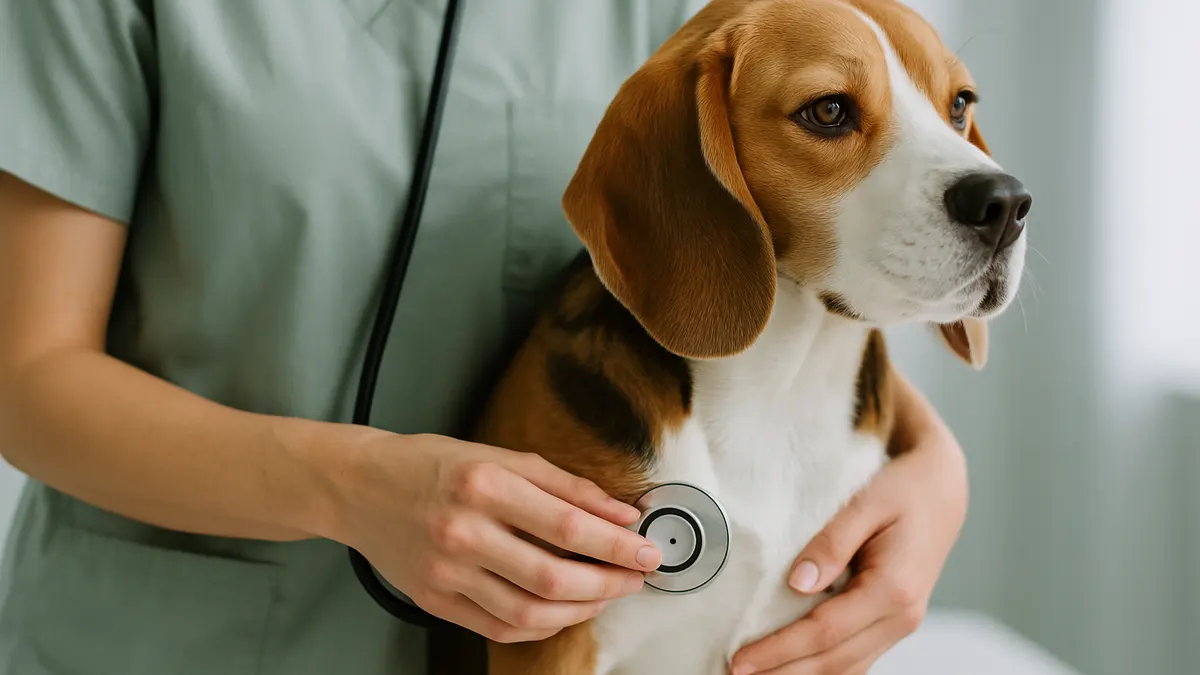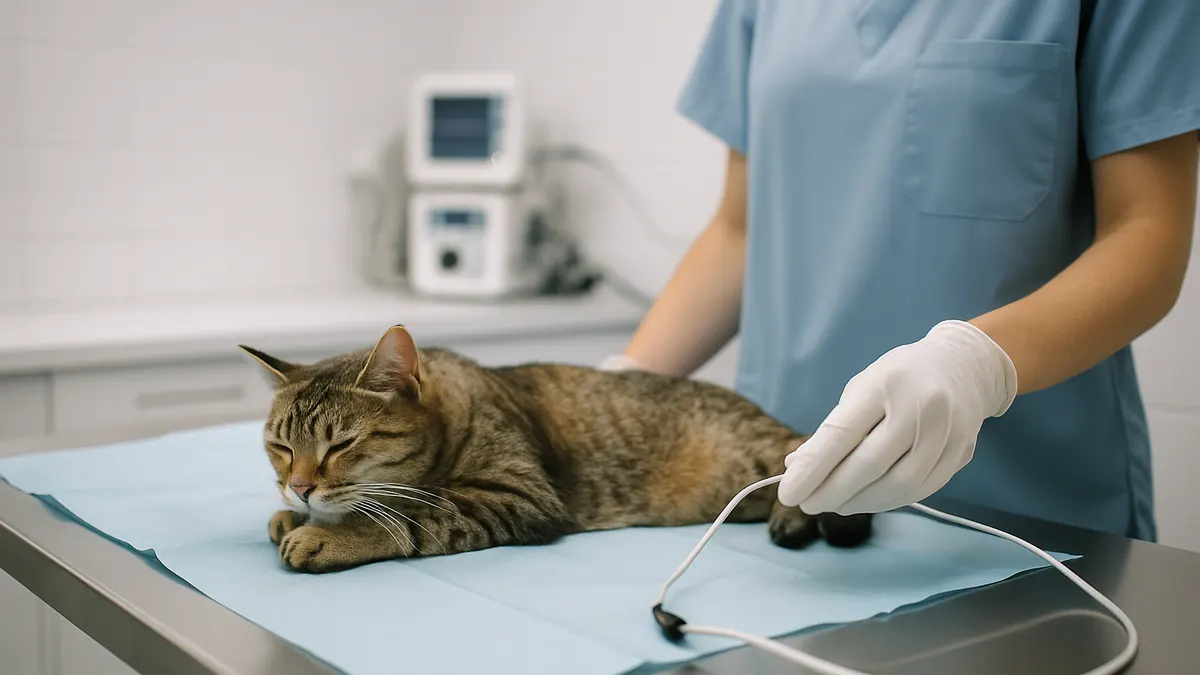
Your dog is breathing hard and cannot settle. Or she has vomited three times in an hour and refuses water. Or he stands up and his back legs give out. Moments like these are frightening, and it is hard to think clearly. Knowing the signs your dog needs emergency vet care helps you act quickly instead of second-guessing yourself. Some symptoms point to a serious medical problem that cannot wait. This guide explains what they look like at home and the safe steps to take next. It is general education, not a diagnosis.
10 Signs Your Dog Needs Emergency Vet Care
Certain symptoms need a professional assessment right away. Learning about common pet illnesses helps you tell a minor upset from a true warning sign. If you notice any sign below, call an emergency veterinary hospital.
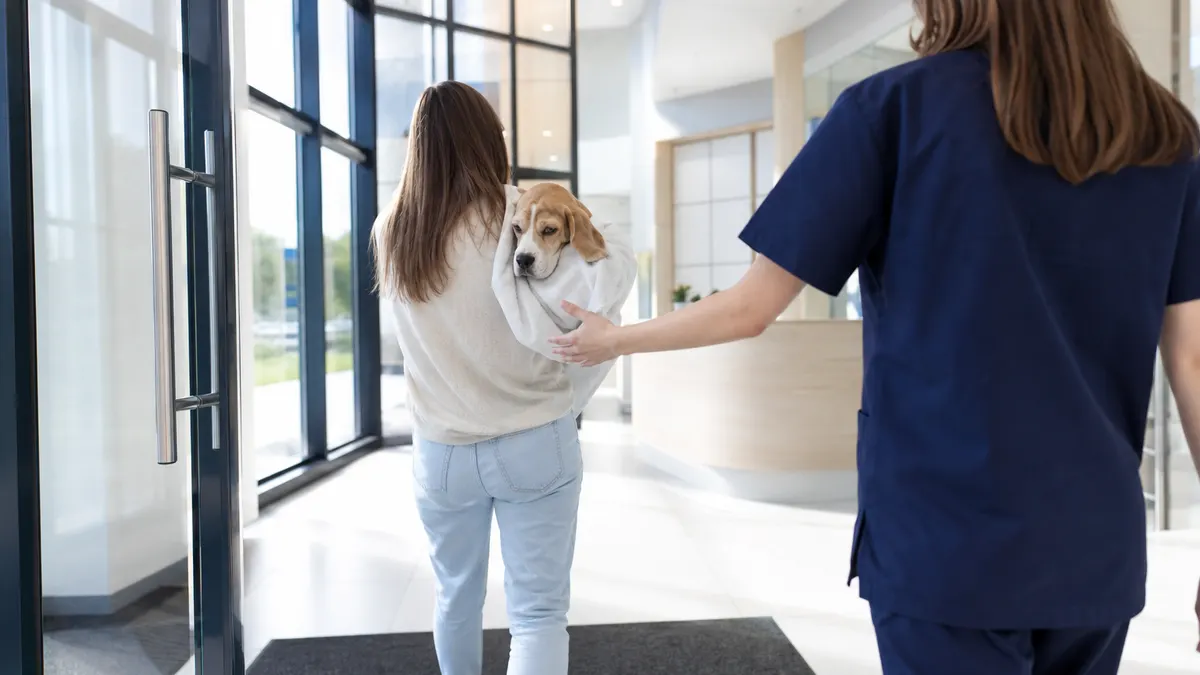
Quick list of dog emergency symptoms:
- Trouble breathing or choking
- Collapse or a seizure
- Heavy bleeding or major injury
- Swollen belly with dry heaving
- Pale, blue, gray, or white gums
- Suspected poisoning
- Straining to urinate with little or no urine
- Sudden weakness or inability to stand
1. Difficulty Breathing or Choking
Watch for labored breathing, gasping, raspy sounds, a stretched-out neck, or a belly that heaves with every breath. A choking dog may paw at the mouth, gag, or panic. Do not put your fingers in your dog’s mouth. Dog breathing problems need emergency care right away.
2. Repeated Vomiting or Severe Diarrhea
One mild episode is not always an emergency. Worry grows with repeated episodes, blood, severe weakness, or a dog that cannot keep water down. Dog vomiting and diarrhea after a suspected toxin or swallowed object also need prompt help.
3. A Swollen Abdomen or Repeated Dry Heaving
A tight, swollen belly with restlessness, pacing, drooling, and retching that brings up nothing can signal bloat, also called gastric dilatation-volvulus (GDV). Large, deep-chested dogs face a higher risk. These dog bloat symptoms are time-sensitive.
4. Uncontrolled Bleeding or Serious Injuries
Deep wounds, heavy bleeding, animal bites, hard falls, and car accidents all need urgent care. Internal injuries may not show on the outside, so a dog that looks fine after trauma can still be hurt. Pale gums, weakness, and a swollen belly can be signs of internal bleeding in dogs. Press a clean cloth on a bleeding wound while you get help.
5. Seizures, Collapse, or Loss of Consciousness
Dog seizure symptoms include paddling legs, stiffness, drooling, and loss of awareness. Move nearby hazards away and stay calm. Never restrain your dog or put your hands or any object in the mouth. A first seizure, repeated seizures, or one lasting five minutes or more requires emergency attention, so contact a veterinarian immediately for guidance. Sudden collapse is also an emergency.
6. Pale, Blue, Gray, or White Gums
Healthy gums are usually pink and moist. Dog pale gums, or gums that look blue, gray, or white, may point to a serious circulation or oxygen problem. This matters even more with weakness, fast breathing, or collapse.
7. Sudden Weakness or Inability to Stand or Walk
Dragging limbs, wobbling, sudden loss of coordination, paralysis, or severe pain can signal a serious problem. Do not force your dog to walk. Move your dog slowly on a blanket or flat board.
8. Suspected Poisoning or Swallowing a Dangerous Object
Common hazards include human medications, chocolate, xylitol-containing products, grapes, raisins, household chemicals, and swallowed toys. Dog poisoning symptoms can be slow to appear. Contact a veterinarian or animal poison-control service promptly. Do not induce vomiting unless a professional tells you to.
9. Difficulty Urinating or Inability to Pass Urine
Repeated straining, little or no urine, crying while trying to go, and clear discomfort are red flags. A dog unable to urinate may have a life-threatening emergency.
10. Heatstroke or Signs of Severe Overheating
Dog heatstroke symptoms include heavy panting, thick drooling, weakness, vomiting, confusion, and collapse. Move your dog to a cooler area and start gentle cooling with cool, not ice-cold, water. Then seek immediate veterinary care. Cooling should never delay transport.
Emergency Vet or Regular Vet: How to Know the Difference
Not every concern needs an emergency hospital, but some symptoms cannot safely wait.
| Situation | Examples | What to Do |
|---|---|---|
| Immediate emergency care | Breathing difficulty, collapse, uncontrolled bleeding, seizures, suspected poisoning, bloat symptoms, severe trauma, inability to urinate | Call an emergency veterinary hospital and go now. Do not wait. |
| Prompt veterinary advice | New or worsening concerns that do not appear immediately life-threatening, such as persistent coughing, reduced appetite, or ongoing discomfort | Call a veterinarian the same day. If symptoms worsen, treat it as an emergency. |
| Routine appointment | Stable, non-urgent concerns that are not worsening and show no warning signs | Book a regular visit. |
These examples are general guidance, not a diagnosis. When you are unsure, call a veterinarian for advice. Never wait when a life-threatening symptom is present.
What to Do If Your Dog Has a Medical Emergency
- Recognize the warning sign and contact an appropriate emergency veterinary hospital.
- Follow the clinic’s instructions and call ahead when possible, so the team can prepare.
- Keep your dog calm and limit movement, especially after an injury.
- Transport your dog carefully using a carrier, blanket, or other firm support.
- Bring medication details, relevant medical records, and any packaging from a suspected toxin.
Common mistakes to avoid: Do not give human medicines, force food or water, or try home remedies without veterinary guidance. First aid should never delay emergency treatment.
How to Prepare for a Dog Emergency
Save the contact details of your regular veterinarian and a suitable emergency animal hospital, and learn the route. Keep medical records easy to find. Know your dog’s normal breathing, gum color, and habits so changes stand out. Routine vet checkups help monitor your dog’s health over time, but they do not replace emergency treatment.
Frequently Asked Questions
What are the most serious signs my dog needs emergency vet care?
The most serious signs include trouble breathing, collapse, severe bleeding, seizures, suspected poisoning, a swollen abdomen with dry heaving, and inability to urinate. Pale or blue gums also need urgent care. If you see any of these, contact an emergency veterinary hospital right away.
Should I take my dog to an emergency vet for vomiting?
Not every episode of vomiting is an emergency, but repeated vomiting, blood, weakness, or being unable to keep water down needs urgent veterinary guidance. Possible toxin or object swallowing raises the concern. Call a veterinarian and describe how often it happens and any other symptoms.
Can I wait until morning if my dog seems sick?
No, life-threatening symptoms should never wait until morning. Breathing trouble, collapse, seizures, or suspected poisoning need care right away. If you are unsure how urgent the problem is, call a veterinarian or emergency hospital, describe what you see, and ask for advice.
What should I do if my dog has a seizure?
Stay calm, move hazards away, and never put anything in your dog’s mouth. Note the start time and do not restrain your dog. Contact a veterinarian immediately for guidance, because a first seizure, repeated seizures, or one lasting five minutes or more needs emergency care.
What should I do if my dog may have eaten something poisonous?
Call a veterinarian or animal poison-control service promptly, even if your dog seems fine. Keep the product packaging so you can share what was eaten and how much. Do not induce vomiting or try home treatments unless a veterinary professional tells you to.
Does Bridgewater Veterinary Hospital provide 24-hour emergency care?
No, Bridgewater Veterinary Hospital does not provide 24/7 emergency or critical care services. For life-threatening symptoms, or cases the hospital cannot accommodate, contact an appropriate emergency veterinary hospital. You can call Bridgewater at 215-638-9275 for guidance when appropriate.
Contact Bridgewater Veterinary Hospital for Veterinary Guidance
Recognizing warning signs early and acting calmly helps your dog get the right care. If you have questions about your dog’s health, or want to learn more about our veterinary services, call Bridgewater Veterinary Hospital in Bensalem, PA at 215-638-9275.
Please note that Bridgewater Veterinary Hospital is not a 24/7 emergency facility. If your dog has a life-threatening symptom, contact an appropriate emergency veterinary hospital immediately rather than waiting for a routine appointment.