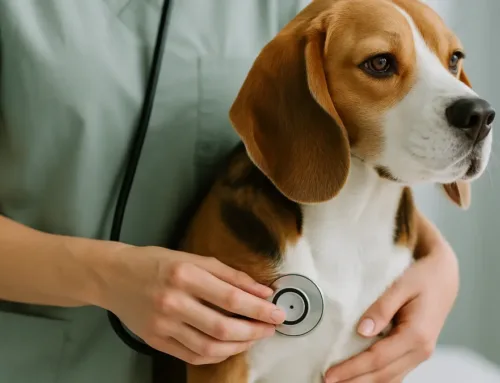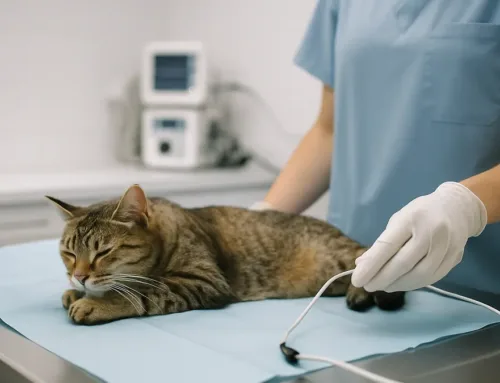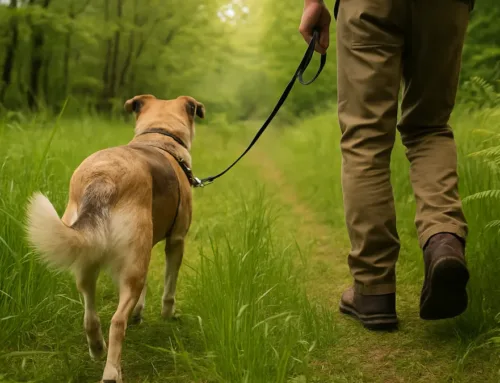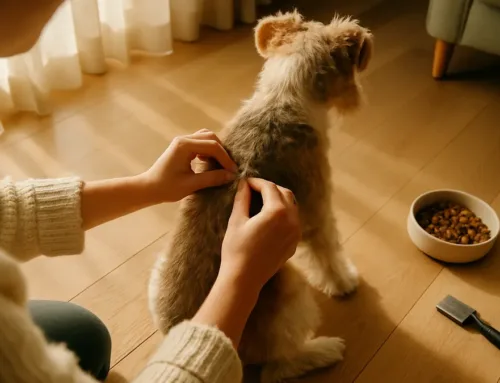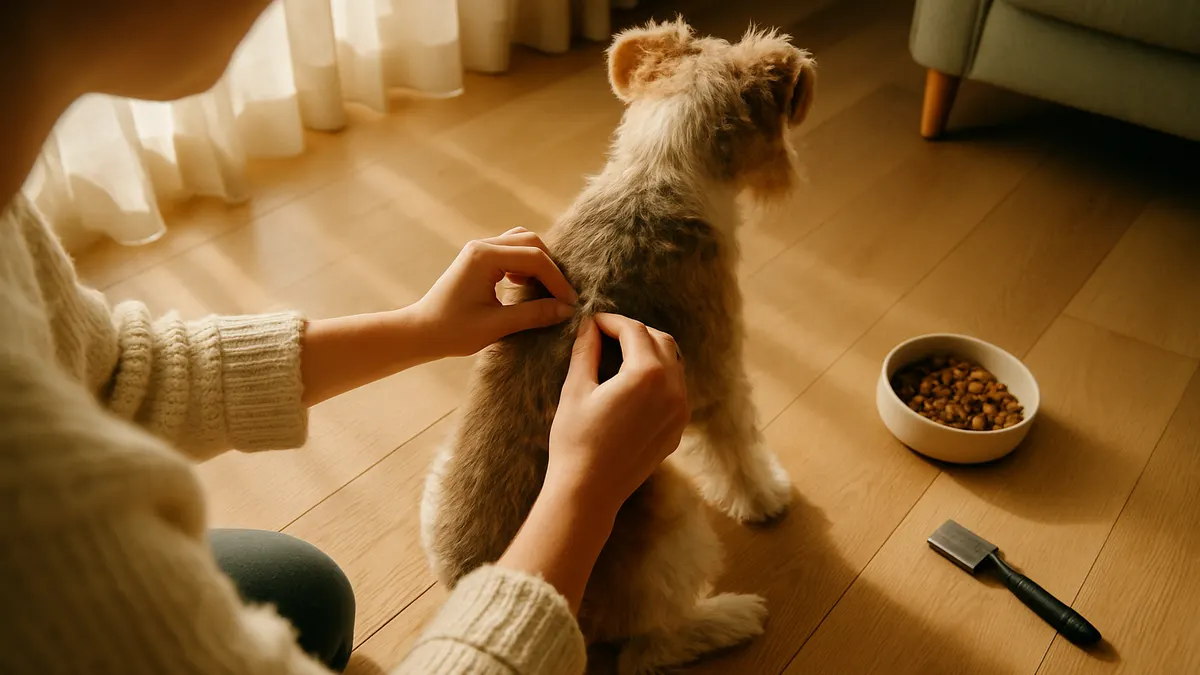
As our dogs and cats grow older, their health needs begin to change. Your once-energetic dog may become less interested in long walks, or your cat may start sleeping more and jumping less. While some changes are associated with aging, others can indicate medical conditions that deserve attention. At Bridgewater Veterinary Hospital in Bensalem, PA, we help pet owners recognize potential health concerns and make informed decisions about their aging companions.
1. Changes in Mobility or Difficulty Getting Up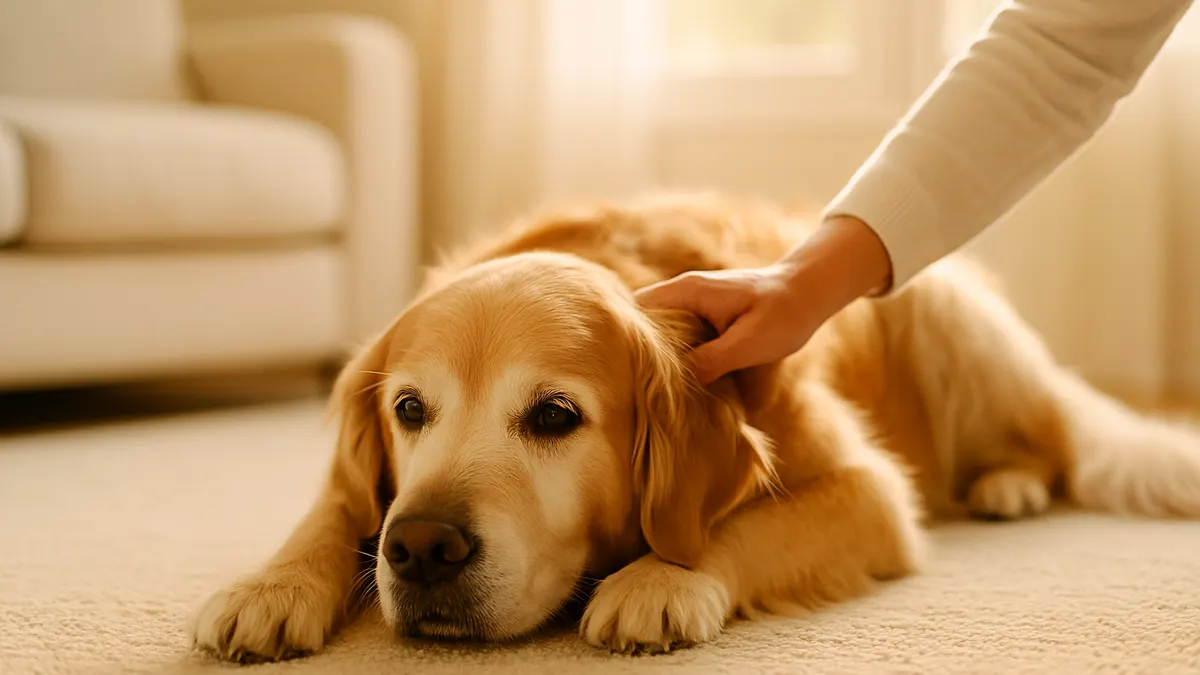
If your dog hesitates before climbing stairs or your cat no longer jumps onto favorite furniture, joint discomfort or arthritis may be responsible. Watch for stiffness, limping, reduced activity, or difficulty standing after resting. These symptoms should not automatically be dismissed as normal aging.
2. Increased Thirst or Frequent Urination
Drinking more water than usual or urinating more frequently can be associated with kidney disease, diabetes, and other medical conditions. Your veterinarian may recommend blood tests and urine testing to investigate the underlying cause.
3. Unexpected Weight Loss or Weight Gain
Weight changes can develop gradually, making them easy to overlook. Unexplained weight loss may be associated with thyroid disease, diabetes, kidney disease, or other illnesses. Weight gain may contribute to joint discomfort and reduced mobility. Regular weight monitoring helps identify changes before they become more significant.
4. Changes in Appetite
A senior pet that suddenly becomes picky about food may be experiencing dental pain, nausea, or another health concern. Persistent appetite changes deserve veterinary attention. A cat that stops eating entirely needs prompt evaluation.
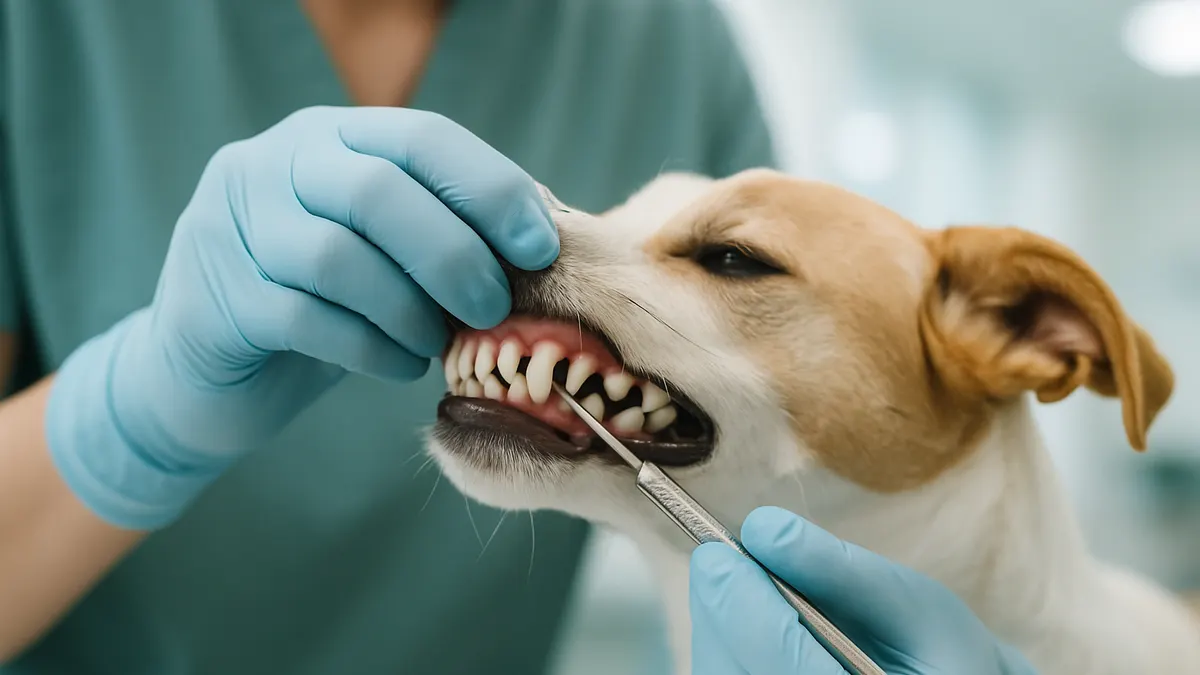
5. Bad Breath or Difficulty Chewing
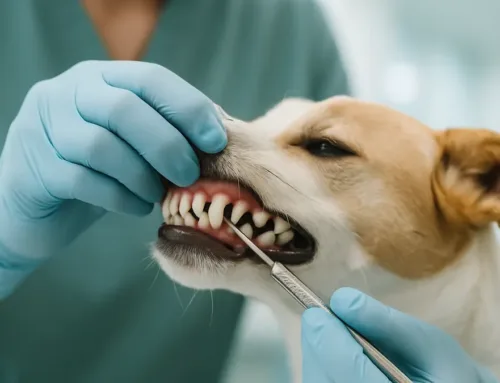
Dental disease is common in older pets. Signs can include persistent bad breath, drooling, chewing on one side of the mouth, or dropping food while eating. Dental examinations can help identify painful oral conditions and determine whether treatment is needed.
6. Behavioral Changes or Confusion
Some aging pets become restless at night, appear disoriented, or interact differently with family members. These changes may be associated with pain, hearing or vision loss, cognitive dysfunction, or other conditions. A veterinary examination can help identify possible causes.
7. New Lumps or Skin Changes
Not every lump is dangerous, but a new or changing growth should be evaluated. Your veterinarian may recommend diagnostic sampling or additional testing depending on its location, appearance, and growth pattern.
How Often Should Senior Pets Visit the Veterinarian?
Many senior dogs and cats benefit from wellness examinations approximately every six months, although the ideal schedule depends on their age, breed, medical history, and overall health. At Bridgewater Veterinary Hospital, our veterinary team can discuss appropriate examinations, laboratory testing, and preventive care for your pet.
Schedule a Senior Pet Wellness Examination in Bensalem, PA
Aging does not have to mean living with untreated discomfort. If you have noticed changes in your senior dog or cat, contact Bridgewater Veterinary Hospital to schedule an examination.
Bridgewater Veterinary Hospital | 1740 Byberry Road, Bensalem, PA 19020 | 215-638-9275
Call 215-638-9275 to schedule an appointment.